Employment

Mayor TenHaken, “I didn’t sign up for this.”

At the afternoon press conference today (video above) when Paul was asked how Noem is doing with leadership on this issue he told a reporter ‘I didn’t sign up for this’. Last night on FB (video below) he complained about open meeting laws (24 hour notice of meetings) and said he could get more done if he didn’t have to bother with that notice.

Actually, Paul, you could get a lot more done if you would just lead. Under the Charter you have the duty and responsibility to manage the affairs of the city, you don’t need to notice anyone. After almost two years as our mayor you don’t understand leadership, our charter or our open meeting laws. Why is this? Because one of the first things Mayor Selfie did was give executive authority to his COS, Erica Beck, who has been running the city while he has been jettsetting all over the country and world. Hey Paul, you ran to be our mayor, the city manager, didn’t you know what that all entailed? Apparently not.

He also complained in the this afternoon’s press conference that he was tired of employees calling him to complain about their employer. He basically said that wasn’t his job to tell them what to do. Yet, he doesn’t seem to have a problem with telling employers how to recruit mentors or donate money to a rental relief slush fund.

See, folks, Paul does understand one thing, it is a right to work state where people don’t have worker rights do to the lack of widespread organized labor. I agree with Paul, stop calling him, he isn’t going to do anything for you, he has proven that over the past few weeks. I suggest you contact OSHA if you think your employer is endangering your health;

Sioux Falls Area Office Sheila Stanley, Area Director U. S. Department of Labor Occupational Safety and Health Administration 4404 South Technology Drive
Sioux Falls,  SD 57106

 (605) 361-9566 
 (605) 361-9652

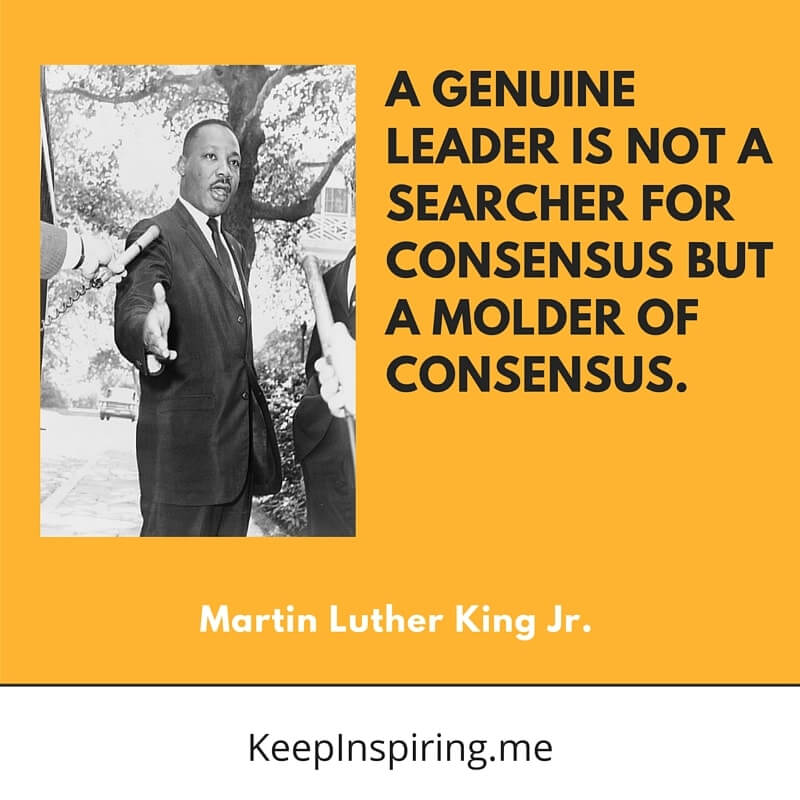
I personally was required to study Marty for over a year for my confirmation classes, and one lesson that Paul should learn from him is that Marty was a great leader who in the face of adversity and crisis in the failed leadership of the Catholic Church didn’t back down to that challenge. If you want to quote Marty, maybe this one will suit you better (it’s from the other Marty)

I have been suggesting since 2016 that City of Sioux Falls administrative staff work from home

One of my biggest arguments against building a new administrative building was that many city employees who do administrative duties could work from home and would probably save the city millions of dollars a year.

Many of my friends have worked from home for years. In 2009 I used to work for a financial company as the Creative Director, before we closed due to asset selloff, I was preparing to work from home 3 days a week, and was excited about the possibility.

Even farther back than that, when Governor Rounds was being ribbed about having a state airline fleet, it was suggested to him to do more teleconferencing instead of flying places for meetings.

I also find it ironic that the mayor has been urging employers to have employees to work from home when he has done similar to Rounds and has flown all over the country and even the world for ‘meetings’ he could have done via Skype from the comfort of his office, also saving tax dollars.

I hope if something good comes from this pandemic, it is that employers invest in having their employees work from home. Not only is it less stressful and makes employees happier, it would save millions in capital expenses such as large facilities to house these people. It would also save the employees money because many would not have to get expensive childcare. And happier employees have less health problems.

Working from home is a great idea that has been going on for decades in this country, it’s time to expand this option to more workers in our community. It will keep people safer, it will save money and more importantly it will save jobs. It’s too bad it took a horrible pandemic to get employers to look at this option.

Higher Wages is the ONLY answer to a worker shortage

It seems Omaha is struggling with the same thing we are in Sioux Falls, low wages and trouble recruiting;

Nebraska business leaders have been sounding the alarm on the state’s shortage of skilled workers, seeking to get politicians to do more to help the state attract the workforce it needs to grow.

But there’s something CEOs themselves can do to pull in more workers: pay higher wages. And it appears that if Omaha’s employers want to be competitive in the job market, they may need to do that.

What often surprises me is the resistance to pay higher wages. I have argued when your employees are making more, they are spending more. That means a better local economy and more tax dollars for a better community. Keeping your workers poor really only makes you richer in the short term but hobbles the economy in the long term. Aren’t you tired of watching the local news telling us every night that shelters, food kitchens and food pantries continue to grow and expand? I am, it is something we shouldn’t be bragging about. Sioux Falls is an attractive city, why not make it more attractive by paying higher wages?

FF 24:20 (This was at the Sioux Falls Rotary)

Neel Kashkari, President of the Federal Reserve Bank of Minneapolis, takes audience questions during a meeting of the Rotary Club of Downtown Sioux Falls, South Dakota, on August 7. 2017.

Interesting labor study by the US Chamber of Commerce

There are some fine points in this short article, but I found this paragraph fascinating;

In our dynamic labor market, workers are continually shifting between jobs or moving in and out of the market. Over on the employer side, jobs are continually being filled as new ones open up. Consequently, the individuals available for work and the jobs open are not the same from one month to the next, but the trend toward fewer available workers relative to the rising number of job openings shows, in broad terms, the increasing tightness of the labor market.


Of course, available workers vary in terms of experience, skills, and location, so they may not match the occupational, skill, location, and other needs associated with job openings. This “mismatch” problem becomes especially critical when the Worker Availability Ratio is relatively low, as it is currently.

These stats will eventually go topsy-turvy, in other words, there will soon be a shortage of skilled employees. Employers really will be ‘forced’ to not only pay higher wages to attract people but they will have to train those people also. In our state and city employers are trying to get taxpayers to foot the bill for this training, even starting blue collar job training programs as early as middle school. I don’t have an issue with that, but employers need to pony up also (some are) by offering on the job (paid) training and once that training is completed successfully, higher wages. Some say money doesn’t equal happiness, but I can’t buy groceries with a smile.